Breaking the Blur - Visual OSINT at Work
Introduction
What is OSINT?
OSINT (Open-Source Intelligence) is the practice of collecting, analyzing, and correlating information that is legally and publicly available. No hacking, no leaks, no privileged access just disciplined analysis of what’s already out there.
When applied correctly, OSINT can reveal far more than intended, even when information appears deliberately obscured.
This investigation is a small but practical demonstration of that reality.
The Context
On December 10th, Maldives Immigration released images from a coordinated raid conducted the previous day (December 9th) by a task force consisting of:
- Maldives Immigration
- Ministry of Economic Development and Trade
- Maldives Police Service
The operation resulted in the closure of 96 illicit massage parlours allegedly operating as fronts for prostitution.
At first glance, the image below appeared no different from others shared during the raids.
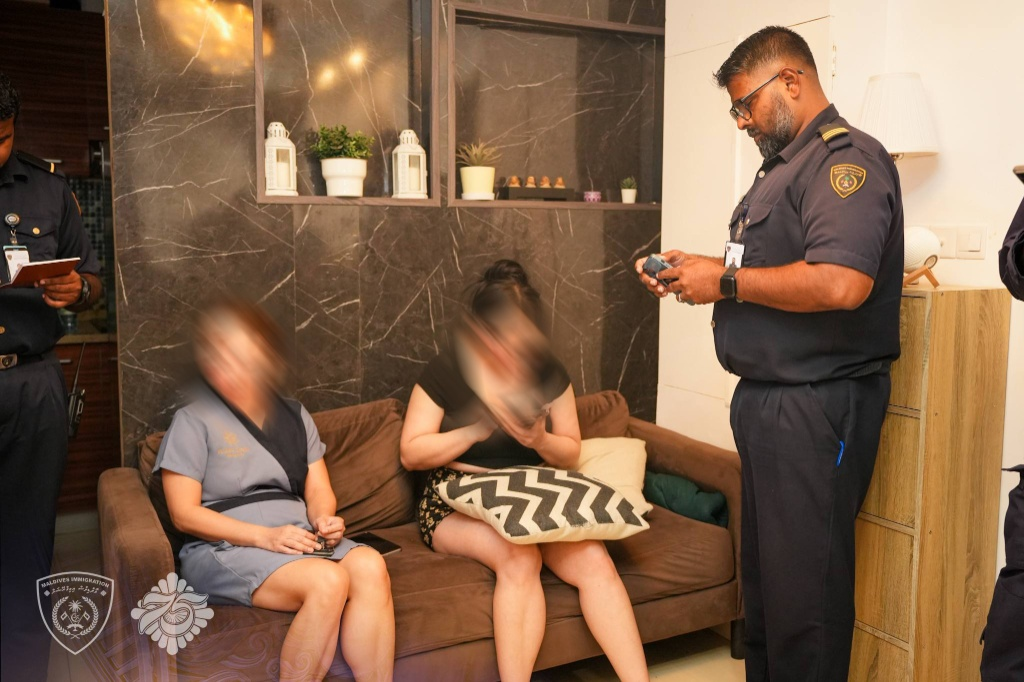 https://x.com/ImmigrationMV/status/1998639687599321292
However, I wanted to challenge myself:
Could the image still be traced back to a specific business using only public information?
Initial Image Analysis
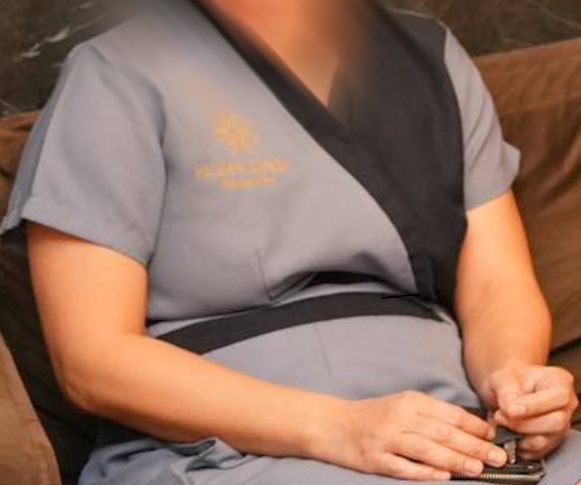
Two elements stood out immediately:
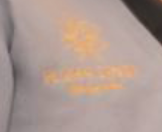
1. The Logo
2. The Uniform
Breaking Down the Logo
Despite the blur, the logo retained a clear layout consisting of three distinct components:
- A symbol above
- A main text line
- A smaller subtext line beneath

This observation gave me a concrete reference point. I didn’t need to identify the exact text only a matching logo structure.
Expanding the Search: Google Places
The most obvious starting point was a Google search for “spas in Malé”.
By reviewing Google Places listings and user-uploaded photos, an immediate pattern emerged:
- Gold-colored logos are extremely common
- Uniforms and branding styles are very similar

One particular listing initially stood out the fourth image appeared promising. However, closer inspection ruled it out.

In this case:
- The logo symbol and main text were the same width
- In the blurred image, the main text was noticeably wider than the symbol
This discrepancy was enough to rule it out.
After reviewing nearly all spa listings on Google, none matched convincingly.
Shifting Platforms: TikTok
At this point, the investigation required a shift in thinking.
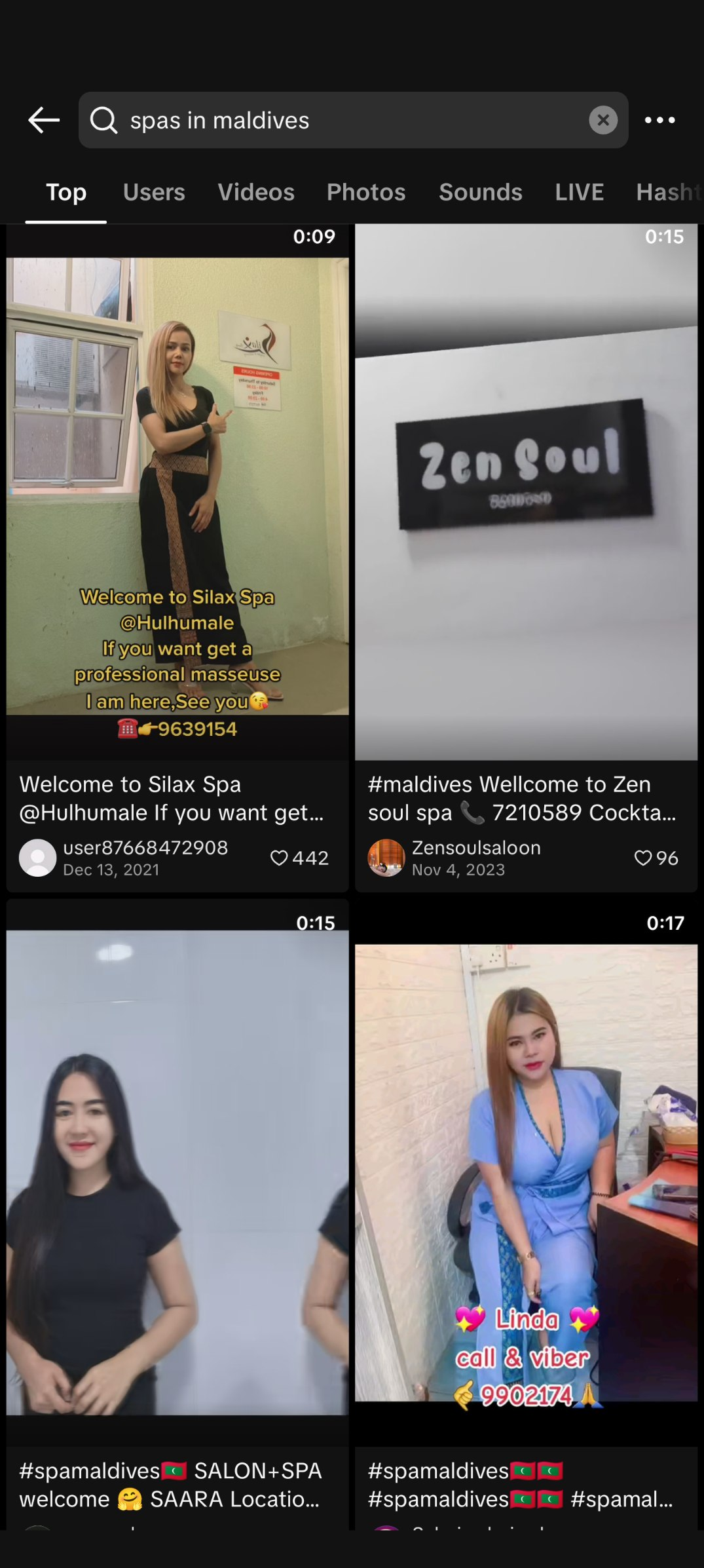
Customers of these establishments were unlikely to be discovering them via Google searches. Promotion was far more likely happening on social media, particularly platforms with heavy visual content and informal advertising.
TikTok was the logical next step.
Almost immediately, patterns emerged:
- Spas promoting services directly
- Masseuses posting from personal accounts
- Uniforms and interiors frequently visible
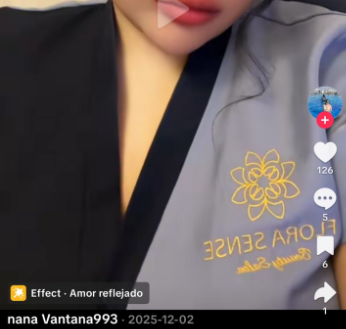
After scrolling through multiple videos, one stood out.
The uniforms matched, and the logo structure aligned perfectly:
- Three elements
- Main text wider than the symbol
At this point, the identification became clear.
The establishment was Flora Sense Beauty Salon.
Environmental Verification
To further validate the conclusion, I examined the background details of the Immigration image.
Key background features:
- A black marble wall
- Built-in shelving
- Decorative items
- A Brown Sofa
After locating Flora Sense Beauty Salon’s TikTok account, I found a post containing an interior image.

The match was unmistakable:
- Same marble wall
- Same decor placement
- Same Sofa and pillows
Conclusion
This investigation was not complex, and that is precisely the point.
- Logo structure
- Interior decor
- Social media oversharing
were more than enough to identify the location using only public data.
This case highlights an important reality:
OSINT doesn’t require advanced tools.
It requires patience, pattern recognition, and an understanding of where people actually share their lives.
And increasingly, that place is not Google it’s social media.